Quick Highlights
Weekend warriors often pack most of their exercise into one or two days, whether that means a pickleball match in Queen Creek, a hike in the San Tan Mountains, a long run or bike ride, or a hard workout at the gym. When your activity level jumps quickly, soreness and injuries can follow.
In this guide, you’ll learn:
-
-
- Why weekend warriors can be more prone to aches, strains, and overuse injuries.
- Signs your post-workout soreness may be more than normal muscle soreness.
- Common injuries we see in active adults.
- When chiropractic care may be appropriate after a sports injury.
- When an injury needs medical attention first.
- Where to find walk-in chiropractic care in the Southeast Valley.
-
Table of Contents
Why Are Weekend Warriors More Prone to Injury?
“Should I just push through this soreness until next weekend, or should I get my joints checked now?” After an intense Saturday pickup basketball game, a Sunday long-distance trail run, or a grueling weekend cycling session, this uncertainty is a common challenge for recreational athletes.
Sitting at a desk from Monday through Friday leaves muscles shortened, joints stiff, and core stabilizers underactive. When you suddenly subject your body to intense weekend exertion, a phenomenon known as a load spike, unprepared connective tissues bear the brunt of the stress.
Micro-tears in ligaments, tendons, and muscle fibers trigger an immediate inflammatory response. While necessary for tissue repair, uncontrolled swelling leads to joint restriction, muscle guarding, and movement compensation.
If you leave joint misalignments and biomechanical restrictions unaddressed, your body compensates by forming dense, inflexible scar tissue. Seeking care within 24 to 72 hours allows our chiropractor to restore joint mechanics, reduce spinal strain, and build effective sports injury-prevention habits before chronic compensation takes hold.
Key Signs You Need Chiropractic Care After Weekend Sports
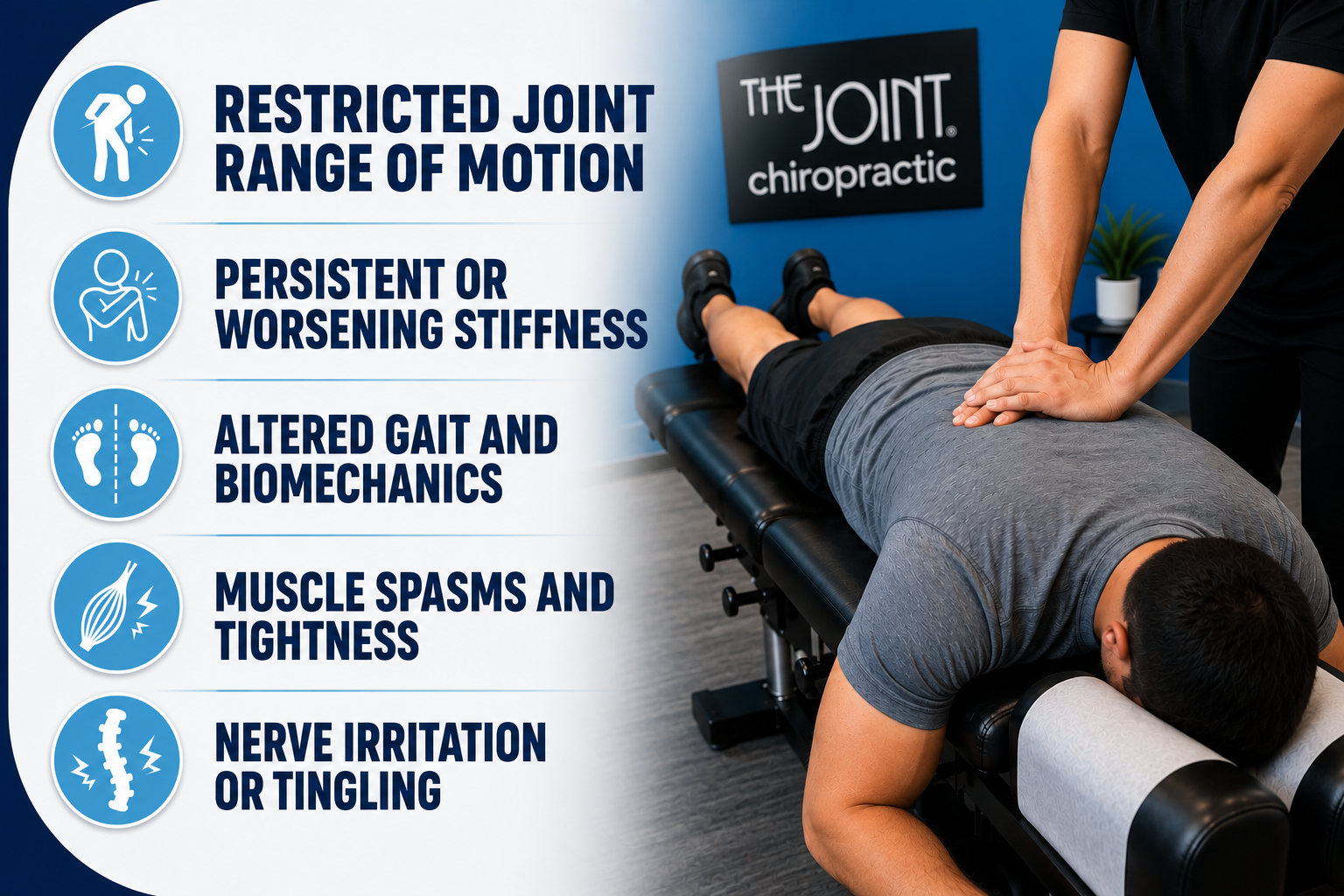
Not every post-game soreness requires clinical intervention, but specific physical signs indicate that your joints or soft tissues have sustained structural stress:
- Restricted Joint Range of Motion: Difficulty turning your torso, fully extending your knee, or reaching overhead without sharp stiffness or resistance.
- Persistent or Worsening Stiffness: Waking up 48 hours after your activity with intense tightness, aching, or localized swelling in your lower back, knees, or shoulders.
- Altered Gait and Biomechanics: Noticing that you are limping, favoring one leg, or shifting your weight unevenly while walking or standing.
- Muscle Spasms and Tightness: Involuntary muscle twitching, cramping, or severe tightness in the hamstrings, calves, or lower back muscles following exertion.
- Pinched Nerve: Sensations of sharp, shooting pain, numbness, or “pins and needles” traveling into the buttocks, thighs, or arms during physical movement.
Common Weekend Warrior Injuries Treated by Chiropractors
Chiropractic care focuses on natural, conservative rehabilitation for acute and chronic athletic injuries. A systematic review on spinal manipulation for acute musculoskeletal injuries(1) highlights how early conservative intervention restores spinal mobility, decreases acute pain, and facilitates a safe, rapid return to active exercise.
In addition, incorporating proactive sports injury prevention through routine adjustments and soft tissue mobilization reduces joint friction and optimizes nervous system output. Key injury scenarios managed at our clinics include the following:
- Acute Lumbar Strains and Sacroiliac Dysfunction: Sudden twisting, heavy lifting, or high-impact landings can misalign the pelvis and lumbar vertebrae, causing acute back pain and restricted movement.
- Ankle Sprains and Lower Extremity Misalignments: Rolling an ankle on uneven terrain or during quick court pivots stretches lateral ligaments and destabilizes knee and ankle tracking.
- Rotator Cuff and Shoulder Impingement: Tennis, pickleball, swimming, and overhead weightlifting can strain shoulder stabilizers, especially when thoracic spine mobility is limited.
- Achilles Tendonitis and Plantar Fasciitis: Repeated pounding on pavement or hard courts without gradual conditioning leads to inflammation along the arches of the feet and calf tendons.
How Weekend Warriors Can Reduce Their Risk of Injury
Don’t Go From Zero to 100 on the Weekend
Jumping straight from a sedentary workweek into a high-intensity sport or heavy lifting session is one of the easiest ways to get hurt. Ramp up your effort gradually. Increase your mileage, weights, or court time in small increments over several weeks instead of testing your absolute limits all in one Saturday afternoon.
Warm Up for the Activity You’re About to Do
Skip the old-school static stretching before you play or lift. Cold muscles need dynamic prep that matches how you will actually move. Spend five to ten minutes doing light bodyweight movements like leg swings, lunges, arm circles, or a quick jog to increase blood flow and prep your joints for heavier loads.
Keep Moving During the Week
Your body handles weekend physical activity much better when it stays conditioned through the workweek. Sneak in short walks, quick mobility drills, or a couple of simple strength sessions between Monday and Friday. When Saturday arrives, your joints and muscles will be primed rather than shocked by the sudden effort.
Give Your Body Time to Recover
Hard training only pays off if you let your body rebuild. Prioritize consistent sleep, drink plenty of water, and build full rest days into your schedule. Most importantly, learn the difference between standard post-workout muscle soreness and sharp, lingering pain that signals an actual joint or muscle issue.
Frequently Asked Questions About Weekend Warrior Injuries & Chiropractic Care
How does chiropractic care assist with sports injury prevention?
Chiropractic adjustments maintain optimal joint alignment, restore full range of motion, and remove nerve interference. When your joints align correctly, biomechanical stress is evenly distributed across muscles and ligaments, drastically reducing the risk of acute strains during intense activity.
How soon after a sports injury should I see a chiropractor?
It is best to get evaluated within 24 to 72 hours following an injury. Early assessment helps control localized swelling, restores normal joint motion, and prevents compensatory postural habits from forming.
Can chiropractic adjustments help with chronic tendonitis or plantar fasciitis?
Yes. Our chiropractors evaluate structural alignment from the feet up. Correcting subluxations in the ankles, knees, and pelvis alleviates uneven pressure on affected tendons and plantar fascia, accelerating natural healing.
Do I need an appointment for sports injury care at your Southeast Valley locations?
No. All five of our Southeast Valley clinics—including Power Ranch, Mesa Gateway, San Tan Village, Queen Creek, and San Tan Valley-Gilbert—offer accessible walk-in chiropractic care with no appointments or health insurance required.
Keep Doing the Things You Enjoy
Being active on the weekend is a good thing. The goal isn’t to stop playing pickleball, hiking, running, lifting, or doing whatever keeps you moving. It’s knowing when normal soreness has turned into pain or restricted movement that’s keeping you from enjoying your weekends. Our goal is to keep you moving and playing the sports you love, not stopping you from doing them.
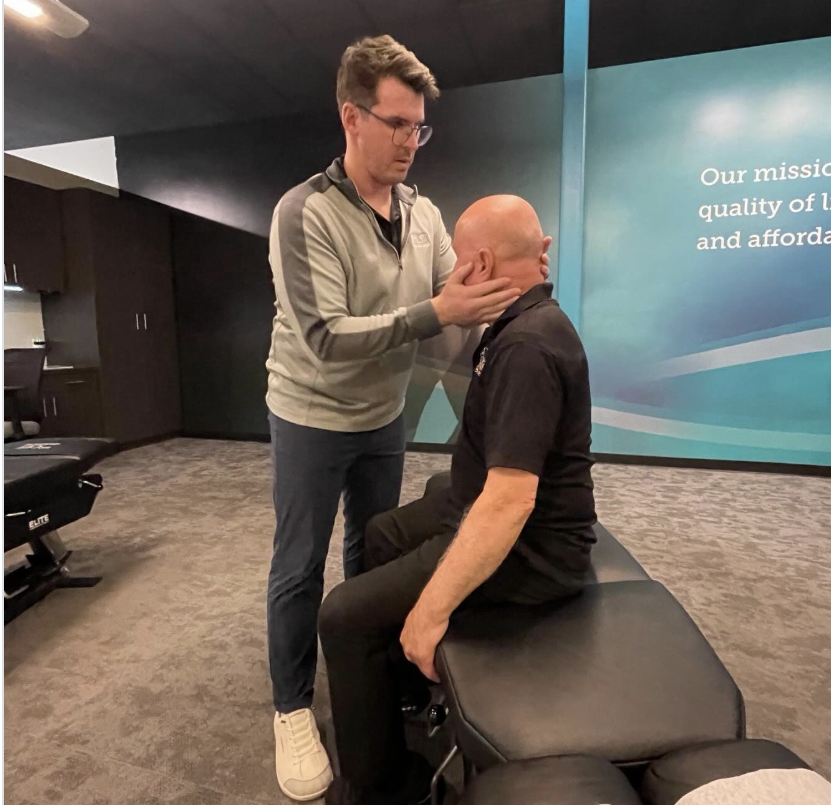
At The Joint Chiropractic, a licensed Doctor of Chiropractic will assess your biomechanics, relieve joint pressure, and guide you toward safe, efficient recovery.
In our Google reviews, local athletes and active residents frequently praise the walk-in convenience and dramatic improvements in mobility they experience through customized spinal care.
Here’s what they’ve experienced:
“I was in so much pain before I started, and in 1 month I can do so many things that I couldn’t do before. Like even tying my shoes with no pain.” — J. White
“Went from not being able to move my back to full mobility in 3 months. Grateful for his care and expertise.” — T. Drust
“I had the worst back pain I’ve ever experienced and felt 100% better after a week. The environment is so welcoming as well. Everyone is so kind, I definitely recommend!” — C. Wilson
Walk-ins are always welcome at our five Southeast Valley locations, with no appointment or insurance necessary. Stop by today or find your nearest clinic to claim your $29 new patient consultation, spinal exam, and initial adjustment.
At The Joint Chiropractic, seeking recovery or sports injury prevention care is quick and hassle-free, with no appointments required, no long waiting rooms, and no insurance hassles.
If chiropractic care is appropriate for your condition, a gentle, targeted adjustment can be performed during your very first visit.
Our $29 new patient offer covers your comprehensive consultation, spinal exam, and initial treatment. You can review all affordable care options on our pricing page.
Walk into your nearest Southeast Valley clinic today: Power Ranch, Mesa Gateway, San Tan Village, Queen Creek, and San Tan Valley.
For complete details on preparing for your initial evaluation, explore our guide on what to expect at your first chiropractic visit.
Disclaimer
This article is for general informational purposes only and does not provide medical or chiropractic diagnosis or treatment recommendations for any individual person. Always consult a qualified healthcare professional for an examination, diagnosis, and personalized treatment plan.
References
1. Goertz, C. M., et al. (2013). Effect of usual medical care plus chiropractic care vs usual medical care alone on pain and disability among active-duty military personnel with low back pain: a randomized controlled trial. Spine. https://www.ncbi.nlm.nih.gov/pmc/articles/PMC3716373/