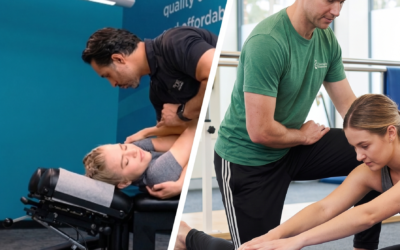

We frequently see patients walk into our Mesa Gateway clinic complaining of recurring headaches that worsen as the day goes on, often accompanied by deep shoulder tension.
Do any of these sound familiar?
- Your headache starts at the base of your skull.
- The pain gets worse throughout the afternoon.
- It creeps up behind one eye.
- You’ve taken pain relief, but it barely makes a dent.
- You’ve tried resting, yet the pain returns.
- Nothing provides lasting relief.
People are often surprised to learn that recurring headaches like these usually start in the neck, not the head.
If you spend hours working on a laptop, looking at multiple screens, or working demanding shifts near the Mesa Gateway hub, you’re placing an incredible physical load on your upper spine. When restricted neck joints get overworked, they refer pain straight up into the head.
This guide explains how posture affects the structures in your neck, why that leads to daily head pain, and what Southeast Valley patients can do to find lasting relief.
Table of Contents
- What Is a Cervicogenic Headache?
- How Does Poor Posture Cause Headaches?
- Who Is Most Likely to Get Headaches From Poor Posture?
- What Does a Posture Headache Feel Like?
- Can a Chiropractor Help With Posture Headaches?
- What Does Research Say About Chiropractic Care for Headaches?
- How Can You Prevent Headaches From Poor Posture?
- Where Can I Find a Chiropractor for Headaches Near Me?
- Frequently Asked Questions About Posture Headaches and Chiropractic Care
What Is a Cervicogenic Headache?
A cervicogenic headache originates in the neck and travels up into the head. Your head is not the source. The joints, muscles, and nerve roots of the upper cervical spine are. The headache is what you feel when those structures get irritated or restricted.
The Mayo Clinic describes it as a secondary headache, meaning the pain in your head is a symptom of a problem in your cervical spine.
Cervicogenic headaches can feel remarkably similar to tension headaches or migraines, which is why they are so often misdiagnosed. The key difference is the source: while the pain is felt in the head, it is actually being referred directly from the neck.
The pain is completely real. But treating the head with rest, ice, or pain relievers only quiets the signal. It does not touch where the signal is coming from.
A chiropractor trained in evaluating the cervical spine can usually identify cervicogenic involvement during the first visit. The patterns are recognizable, and the physical exam often reveals restricted joints and tender points in the upper neck that line up exactly with the headache pattern.
How Does Poor Posture Cause Headaches?
How Forward Head Posture Strains Your Neck
A human head weighs around ten to twelve pounds when it is balanced directly over the spine. For every inch the head shifts forward from that balanced position, the effective load on the cervical spine increases significantly. An inch forward can add the equivalent of ten to fifteen extra pounds on the muscles and joints in the neck.
Many of the patients who come into our five clinics are dealing with afternoon headaches caused simply by how they sit at work. Hunching over a laptop screen for six to eight hours a day at a desk forces your neck muscles to work double-time just to keep your head up. That unyielding daily strain causes the muscles at the back of your neck to tighten and lock up. Eventually, that deep tension creates irritation in the joints and nerves in your neck, which then refers pain upward through the base of your skull or behind your eyes, turning into the frustrating afternoon headache that ruins your workday.
Why Do Posture Headaches Get Worse as the Day Goes On?
Posture-driven headaches follow a pattern most people recognize the moment they hear it described.
Mornings feel manageable. By early afternoon, the neck starts to feel heavy and stiff. Within thirty minutes of that stiffness setting in, the headache follows. By the end of the workday, the headache can be a six or seven out of ten.
That progression happens because the load accumulates over hours. The muscles fatigue. The joints compress further. The referral pain increases as the hours add up. A night of rest provides partial relief, mornings feel better, and then the same cycle runs again.
Who Is Most Likely to Get Headaches From Poor Posture?

These headaches do not require a dramatic injury or a specific diagnosis to develop. They build out of ordinary things that millions of people do every day.
Desk and Remote Workers
Office workers, remote workers, students, coders, and writers are prime candidates. The laptop setup is particularly bad because the screen sits low, which pulls the chin down and pushes the head forward. Over months and years, that cumulative load creates real structural changes in how the upper cervical spine sits.
People Who Spend Hours Looking at Their Phones
Looking down at a phone for twenty to forty minutes at a stretch puts the neck in one of the most mechanically unfavorable positions possible. If this is part of your commute, lunch break, or evening routine, that load is adding up even when the rest of your body is resting.
Jobs That Require Looking Down or Forward
Dental hygienists, mechanics, chefs, surgeons, and tradespeople who hold sustained forward or downward positions often develop forward head posture from work. The headaches tend to start gradually and get blamed on stress, eye strain, or dehydration long before anyone connects them to the neck.
What Does a Posture Headache Feel Like?
Some of our patients who deal with posture-driven headaches tend to describe them in similar ways.
A heavy, dull pressure that builds at the base of the skull and radiates up over one or both sides of the head. A neck that feels like concrete by three in the afternoon. Tenderness at the base of the skull when you press with your fingers. Eye pressure that does not seem connected to vision. A headache that is tolerable in the morning but gets louder the longer you sit or work.

What separates these from migraines, most of the time, is the absence of nausea and the clear connection to how much sitting or screen time the day involved. Migraines tend to be more debilitating and come with light and sound sensitivity. Posture headaches tend to feel like a heavy, tight pressure in the back of the head that lingers throughout the day.
Common symptoms of posture/cervicogenic headaches include:
- A dull or squeezing ache across the forehead or at the back and base of the head
- Pain that starts in the neck or shoulders and travels upward
- Stiffness or limited neck movement that accompanies the headache
- Tenderness at the base of the skull or along the tops of the shoulders
- Headaches that clearly worsen with prolonged sitting, driving, or screen use
- Temporary relief when lying flat or applying heat to the neck and shoulders
Can a Chiropractor Help With Posture Headaches?
Medication can reduce the pain signal while it is active. What it cannot do is change what is happening in the neck. Chiropractic care works differently because the goal is to restore normal movement to restricted joints and reduce the strain on the muscles that have been compensating for them. Chiropractic focuses on fixing the true cause of the headaches.
What Does a Chiropractor Check for With Headaches?
Our chiropractor will assess your posture, check how far your neck can comfortably rotate and tilt, and use their hands to feel for restricted or tender points along the upper cervical spine and into the shoulders. The specific joints involved in cervicogenic headaches tend to be at the very top of the neck, and our experienced chiropractor can identify them quickly because the restriction and tenderness pattern matches the headache pattern. If anything in the exam suggests a cause outside the scope of chiropractic care, a referral to the right provider comes before anything else.
Chiropractic Adjustments for Neck-Related Headaches
For posture-related headaches, adjustments typically focus on the upper cervical spine and the upper thoracic region, the area between the shoulder blades that tends to stiffen when the head and shoulders are held forward for extended periods. Restoring movement in those areas takes mechanical pressure off the muscles and nerve structures that are referring pain into the head.
Most of our patients notice the headache reduces or shifts in character shortly after an upper cervical adjustment. Some feel an immediate loosening in the neck. Others notice the relief a few hours later, after the surrounding muscles have had time to respond to the restored joint movement.
Addressing Tight Muscles at the Base of the Skull
The small group of muscles at the very base of the skull, called the suboccipital muscles, is almost always involved in posture-driven headaches. When they stay chronically contracted, they develop trigger points that refer pain across the scalp and behind the eyes. Our expert chiropractor can address these directly with focused pressure or release techniques alongside the spinal adjustment.
Posture and Workspace Changes
Part of what makes our chiropractic care valuable for posture headaches is identifying which daily habits are contributing to the problem. Something as simple as raising your laptop screen by six inches or adjusting your rear-view mirror higher can change the position your neck holds for most of your waking hours. Our chiropractor can walk you through the specific changes most relevant to your setup.
What Does Research Say About Chiropractic Care for Headaches?
A 2026 clinical practice guideline published in Chiropractic and Manual Therapies reviewed all major systematic reviews and clinical guidelines on non-drug treatments for cervicogenic and tension-type headaches. The conclusion was clear. Spinal manipulative therapy is a recommended first-line option for both, with documented reductions in headache frequency, intensity, and duration.
A large survey of chiropractors also found that more than 80 percent of headache care plans required fewer than ten visits, typically over six to eight weeks, to produce meaningful results for cervicogenic headaches. That is a relatively short course of care for a problem that often drags on for years without getting properly addressed.
Thus, our chiropractic care works best for headaches when the cervical spine is genuinely involved in producing the pain. The evaluation at your first visit is designed to answer exactly that question before any care begins.
How Can You Prevent Headaches From Poor Posture?
Adjustments do the structural work. What you do between visits determines how well that work holds.
Raise Your Screen to Eye Level
This is the single most impactful change most desk workers can make. When the top of your screen sits near eye level, your head stays balanced over your spine instead of drooping forward. A laptop stand and an external keyboard cost less than most people spend on headache medication in a month.
Try Chin Tucks During the Day
Gently draw your chin straight back, like you are making a subtle double chin, without tilting your head up or down. Hold it for three to five seconds and release. Do this ten times every hour or so. It directly counteracts the forward creep that builds up during screen time and keeps the upper cervical joints from stiffening into that compressed position.
Take Regular Movement Breaks
Standing up and walking to another room for two minutes every hour does more for the cervical spine than a thirty-second neck roll at your desk. Movement distributes load, hydrates the discs, and resets the muscle fatigue that builds in a fixed position. Set a phone timer if you need to. The cumulative benefit across a full workday is significant.
Better Phone Positioning to Reduce Neck Pain
Most people hold their phone at chest level or in their lap, causing their head to tilt forward and down every time they look at the screen. Raising your phone closer to eye level can help reduce the strain on your neck throughout the day.
A few small changes can make a big difference:
- Raise your phone closer to eye level.
- Avoid looking down for long periods.
- Take regular breaks from scrolling.
- Change positions frequently throughout the day.
Check Your Sleep Setup
A pillow that is too thick or too thin changes the position your cervical spine holds for seven or eight hours a night. If you regularly wake up with a headache, this is not normal. Your sleep setup is worth looking at. Your chiropractor can advise on what tends to work best based on what they find in your exam.
Where Can I Find a Chiropractor for Headaches Near Me?

If headaches have become part of your weekly routine, especially ones that come with neck stiffness, build throughout the day, or clearly connect to screen time, a chiropractic evaluation is a reasonable first step. Not a last resort.
When you arrive, our licensed Doctors of Chiropractic will discuss your symptoms, learn what triggers your pain, and perform a focused exam based on your complaint. If chiropractic care is the right fit for your condition, you can receive your very first adjustment during that same visit.
Our $29 new patient special covers everything you need to get started: your initial consultation, a thorough spinal exam, and your first adjustment.
Stop by the Southeast Valley clinic closest to you today: Power Ranch, Mesa Gateway, San Tan Village, Queen Creek, and San Tan Valley.
If an adjustment makes sense based on what they find, it happens on the same visit. You can review your options ahead of time on the pricing page so there are no surprises when you arrive.
Also, if you want to know what the first visit looks like from check-in to adjustment, our guide on what to expect at your first chiropractic visit walks through the whole process.
Frequently Asked Questions About Posture Headaches and Chiropractic Care
Can bad posture really cause headaches?
Yes. Forward head posture increases the mechanical load on the neck, strains the muscles at the base of the skull, and restricts the upper cervical joints in ways that refer pain directly into the head. Studies show that the majority of people with chronic headaches also have significant neck stiffness and restricted movement. The posture and the headache are usually connected.
What is a cervicogenic headache?
A cervicogenic headache originates in the cervical spine rather than in the brain itself. It is called secondary because the headache is a symptom of a problem in the neck. It often feels like a tension headache, starts at the base of the skull, and comes with neck stiffness. A chiropractic exam can identify whether your headaches fit this pattern.
How is a posture headache different from a migraine?
Posture headaches tend to feel like a dull, heavy, or squeezing ache at the back of the head or across the forehead. They worsen with sitting and improve with rest. Migraines are typically more intense, often involve throbbing pain on one side, and come with nausea, light sensitivity, and sometimes visual changes. The two can overlap, which is one more reason a proper evaluation matters.
Can a chiropractor help with tension headaches?
Yes. Tension-type headaches driven by restricted neck joints and tight suboccipital muscles respond well to chiropractic adjustments. The 2026 clinical practice guideline confirmed spinal manipulative therapy as a recommended non-drug treatment for tension-type headaches, with meaningful reductions in frequency, intensity, and duration.
How many visits does it take to notice a difference?
Many people notice a reduction in headache frequency or intensity within the first few visits. Headaches that have been recurring for years may take a longer course of care before the pattern fully shifts. Your chiropractor can give you a realistic estimate after the first exam.
What is the best posture to prevent headaches?
Ears in line with your shoulders. Screen at eye level. Feet flat on the floor. No single position is perfect forever. What matters most is not holding any position for more than thirty to forty-five minutes without moving. Movement is what keeps the cervical spine healthy, not one perfect fixed posture.
Is it okay to get adjusted when my head is already pounding?
Generally, yes, when a licensed chiropractor has evaluated you first. Many people find that a gentle upper cervical adjustment actually provides relief during an active headache. Your chiropractor will adjust the technique based on how acute things are at the time of the visit.
Do I need an appointment at The Joint Chiropractic in the Southeast Valley?
No. All five Southeast Valley locations, including Power Ranch, Mesa Gateway, San Tan Village in Gilbert, Queen Creek, and San Tan Valley, offer walk-in care. Same-day visits are available, and no insurance is needed.
Ready to Find Out If Your Headaches Are Coming From Your Neck?
If your headaches keep coming back, especially when they’re accompanied by neck stiffness or get worse after hours at a desk or on a screen, it may be worth looking at what’s happening in your neck.
At The Joint Chiropractic, a licensed Doctor of Chiropractic will talk with you about your headaches, examine how your neck and upper spine are moving, and determine whether chiropractic care makes sense based on what they find. If an adjustment is appropriate, you can receive your first adjustment during that same visit.
Walk-ins are welcome at all five Southeast Valley locations, with no appointment or insurance required. Your $29 new patient visit includes a consultation, spinal exam, and first adjustment when appropriate.
Disclaimer
This article is for general informational purposes only and does not provide medical or chiropractic diagnosis or treatment recommendations for any individual person. Always consult a qualified healthcare professional for an examination, diagnosis, and personalized treatment plan.
References
Mayo Clinic Staff. (2020, June 3). Headache causes. Mayo Clinic. https://www.mayoclinic.org/symptoms/headache/basics/causes/sym-20050800
Trager, R. J., Daniels, C. J., Hawk, C., et al. (2026). Chiropractic Management of Adults with Cervicogenic or Tension-Type Headaches: Development of a Clinical Practice Guideline. Chiropractic and Manual Therapies. https://journals.sagepub.com/doi/10.1177/27683605251397769